

5 Ways to Improve Recovery With Cold Therapy
Table of Contents
- Cold Water Immersion for Muscle Fiber Recovery
- Cold Therapy Duration for Recovery: Timing and Frequency
- Reducing Inflammation and Swelling Through Vasoconstriction
- Best Practices for Cold Plunge Recovery Sessions
- Combining Heat and Cold Therapy for Optimal Results
- Contraindications and Medical Risks to Know
- Frequently Asked Questions
Last Updated: September 28, 2026
Cold Water Immersion for Muscle Fiber Recovery
Cold water immersion is one of the most direct ways to improve recovery with cold therapy. When your body enters cold water, vasoconstriction occurs, blood vessels narrow to preserve core temperature, reducing blood flow to muscles. Once you exit, vasodilation follows, bringing a rush of fresh, oxygen-rich blood back to tissues. This cycle accelerates muscle fiber recovery and reduces delayed onset muscle soreness (DOMS) that typically peaks 24-48 hours after intense exercise.

Cold exposure triggers your nervous system to release norepinephrine and other compounds that reduce inflammation while enhancing circulation. This forces your physiology to adapt, strengthening your capacity to handle stress, which is why athletes have relied on ice baths for decades.
How Cold Immersion Triggers Muscle Regeneration
Cold immersion activates heat shock proteins that protect cells from damage and assist in protein synthesis, essential for muscle regeneration after workouts that cause micro-tears.
Cold therapy works best within 15 minutes to 2 hours post-workout, when cold exposure can reduce swelling and accelerate early tissue repair by modulating the inflammatory response.
Temperature and Duration Guidelines
The ideal temperature range is 50-59°F (10-15°C). Below 50°F risks excessive vasoconstriction and injury; above 59°F reduces the physiological stimulus.
Beginners should start with 2-3 minutes; experienced users can extend to 5-10 minutes. Never exceed 15 minutes. The optimal range is 3-5 minutes at 50-55°F.
Cold Therapy Duration for Recovery: Timing and Frequency
Duration and frequency determine whether cold therapy accelerates recovery or stalls it. Precision matters more than impulse.

Cold water immersion within 30 minutes after exercise maximizes anti-inflammatory effects. Waiting more than 2 hours closes the optimal window.
Use cold therapy once or twice weekly. Overuse suppresses the natural inflammatory response necessary for adaptation and strength gains. Alternate with active recovery days.
Reducing Inflammation and Swelling Through Vasoconstriction
Swelling occurs when fluid accumulates in tissues during inflammation. Cold therapy reduces this by triggering vasoconstriction, decreasing fluid leakage into muscles and connective tissue.
Blood vessels constrict immediately upon cold immersion, reducing blood flow and fluid accumulation. Though temporary, this window allows noticeably reduced swelling and improved mobility.
The Inflammation Paradox: When Cold Therapy May Hinder Adaptation
Here's where the science gets complicated. Inflammation isn't purely harmful, it's a necessary signal for muscle growth and adaptation. When you lift weights or perform intense exercise, inflammation triggers the release of growth factors and satellite cells that repair and rebuild muscle tissue stronger than before. Excessive cold therapy, applied too aggressively or too frequently, can suppress this beneficial inflammatory cascade.
A Journal of Physiology study found that athletes using ice baths immediately post-workout showed reduced muscle protein synthesis compared to those allowing natural inflammation to proceed (pubmed.ncbi.nlm.nih.gov). This means timing and frequency matter enormously.
The practical takeaway: Cold therapy works best for acute injury management and post-competition recovery, where reducing swelling and pain is the primary goal. For routine training recovery aimed at muscle growth, a more conservative approach, using cold therapy only 1-2 times per week, or delaying it 2-4 hours post-workout to allow initial inflammation signaling, may preserve the adaptive stimulus your body needs to get stronger.
Balancing Swelling Reduction with Adaptive Inflammation
The swelling reduction isn't just about comfort. Excessive swelling can limit your range of motion and slow tissue repair. By controlling inflammation through cold exposure, you maintain better mobility during recovery days, which allows for active recovery work that further accelerates healing. This is the real advantage of cold therapy over complete rest, but only when applied strategically.
If your goal is injury recovery or post-competition soreness management, aggressive cold therapy (3-5 minutes at 50-55°F within 30 minutes of activity) is appropriate.
Best Practices for Cold Plunge Recovery Sessions
Learning 5 ways to improve recovery with cold therapy requires more than just jumping into cold water. Your preparation and adaptation strategy determine whether cold immersion enhances recovery or creates unnecessary stress.
Pre-Plunge Preparation and Safety Protocols
Before entering cold water, hydrate thoroughly. Dehydration amplifies the stress response to cold exposure, making the experience harder on your nervous system. Drink 16-20 ounces of water 30 minutes before your session. Avoid large meals within 2 hours of cold immersion, your body needs energy to manage the physiological stress, and digestion competes for resources.
Post-Plunge Recovery and Gradual Adaptation
After exiting cold water, avoid jumping directly into hot showers. Let your body gradually warm to room temperature over 10-15 minutes. This allows your nervous system to complete the vasodilation cycle naturally. Rapid heating can create a jarring physiological shift that reduces the recovery benefits.
Combining Heat and Cold Therapy for Optimal Results
Contrast therapy, alternating between cold and heat, amplifies recovery benefits beyond either method alone. When you cycle between cold and warm water, you create repeated cycles of vasoconstriction and vasodilation, which pumps blood through tissues more efficiently than static cold exposure.
Contraindications and Medical Risks to Know
Cold therapy isn't universally safe. Certain conditions make cold immersion risky, and understanding these contraindications protects you from harm. Before starting any cold therapy protocol, honestly assess your health status, or better yet, consult your healthcare provider if you have any of the conditions below.
Primary Contraindications: When to Avoid Cold Immersion Entirely
Cardiovascular disease is the primary concern. Cold exposure triggers an immediate stress response that increases heart rate and blood pressure within seconds. For people with uncontrolled hypertension (>140/90 mmHg), active heart arrhythmias, recent myocardial infarction (within 6 months), or unstable angina, this acute spike can be dangerous or life-threatening. The cold-induced sympathetic nervous system activation is involuntary, you cannot override it through willpower or breathing techniques.
Secondary Contraindications: Proceed with Caution or Delay
Recent injuries or open wounds should not be exposed to cold water immersion during the acute inflammatory phase (first 48-72 hours). The vasoconstriction can slow initial healing and nutrient delivery. Wait until your healthcare provider confirms the injury has moved into the repair phase (typically 3-5 days post-injury) before attempting cold therapy.
Pre-Immersion Health Screening Checklist
Before your first cold therapy session, honestly answer these questions:
- Do you have a history of high blood pressure, heart disease, or arrhythmia? → Consult your cardiologist.
- Do you have Raynaud's syndrome or similar vasospastic conditions? → Avoid cold immersion.
- Are you pregnant or breastfeeding? → Consult your obstetrician.
- Do you have diabetes, neuropathy, or reduced sensation in your extremities? → Test cold sensitivity first.
- Have you had a cardiac event, stroke, or major surgery in the past 6 months? → Wait and consult your physician.
- Are you taking medications for heart, blood pressure, or metabolic conditions? → Review with your doctor.
- Do you have uncontrolled asthma or breathing issues? → Test with cold showers first.
Frequently Asked Questions
What is the ideal duration for cold water immersion during cold therapy recovery?
Most research supports cold water immersion sessions lasting 2 to 5 minutes for effective recovery benefits. Start with 1 to 2 minutes if you're new to cold therapy, then gradually increase duration as your body adapts. Sessions beyond 10 minutes offer diminishing returns and increase risk of overcooling. Temperature matters too, immersion at 50 to 59 degrees Fahrenheit for 3 minutes provides optimal inflammation reduction without excessive physiological stress.
When should you not use cold therapy for recovery?
Avoid cold therapy if you have cardiovascular conditions, Raynaud's syndrome, cold urticaria, or active infections. Do not apply cold therapy immediately to acute soft tissue injuries during the first 24 to 48 hours without medical guidance, as excessive vasoconstriction may impair initial healing. Pregnant individuals, those with compromised circulation, or people taking medications affecting temperature regulation should consult a healthcare provider before cold immersion. Never use cold therapy if you feel chest pain, severe shortness of breath, or extreme discomfort.
How does cold therapy impact delayed onset muscle soreness (DOMS) and inflammation?
Cold therapy reduces inflammation through vasoconstriction, which limits blood flow to affected tissues and decreases swelling. This process also slows nerve conduction velocity, providing temporary pain relief. However, the relationship between cold therapy and muscle growth is nuanced, while cold reduces immediate soreness, some inflammation is necessary for muscle fiber regeneration and adaptation. Cold therapy works best for acute injury management and post-workout soreness when combined with active recovery and proper nutrition rather than as a standalone solution.
What are the best practices for cold plunge recovery to maximize benefits safely?
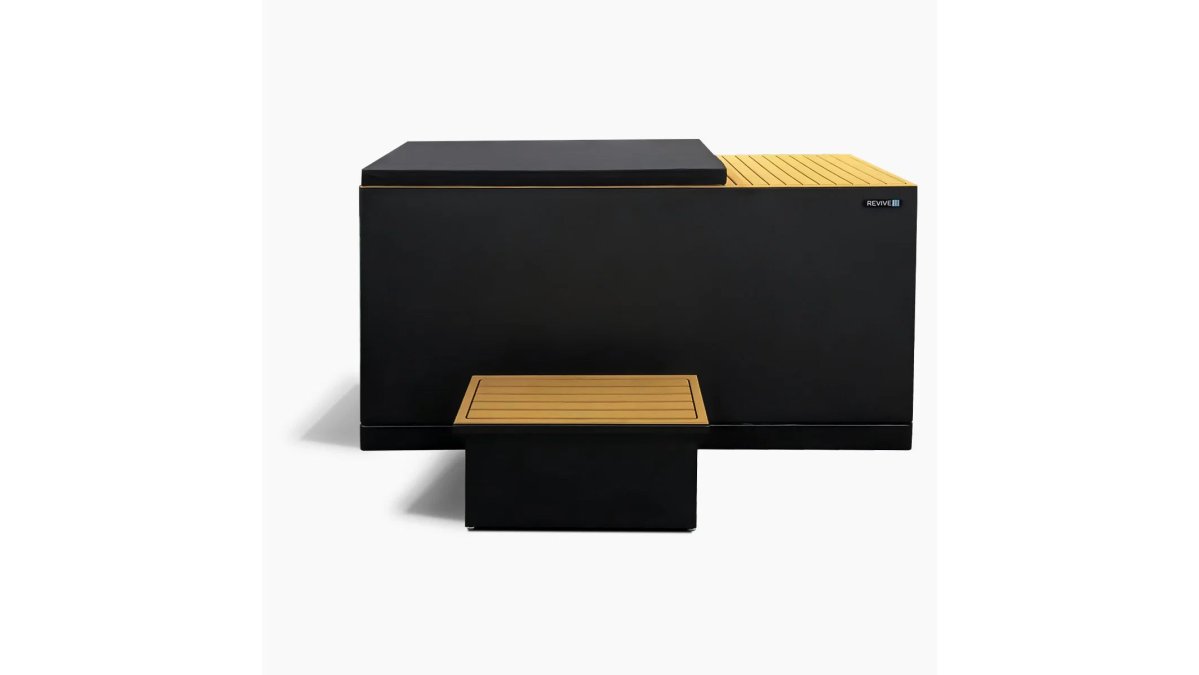
Begin sessions in water cooled to 50 to 59 degrees Fahrenheit for 2 to 3 minutes, focusing on controlled breathing to manage the cold shock response. Prepare your body by doing light movement before entering, and exit slowly to avoid dizziness. Follow cold immersion with gradual rewarming, avoid hot showers immediately after, as the contrast can stress your nervous system. Limit cold plunge sessions to 3 to 4 times per week to allow your body to adapt and recover. Products like the Revive Luxury Plunge or Kooru Premium Cold Plunge Tub feature advanced temperature controls and filtration to ensure safe, consistent sessions at home.
Can combining heat and cold therapy improve recovery better than cold therapy alone?
Yes, alternating heat and cold, known as contrast therapy, can enhance recovery by improving circulatory system function and promoting tissue repair. Start with 3 to 5 minutes of cold exposure, then switch to 1 to 2 minutes of heat, and repeat 2 to 3 times. This cycle stimulates blood vessel dilation and constriction, increasing nutrient and oxygen delivery to muscle fibers. However, contrast therapy requires careful temperature management and is best suited for individuals already adapted to cold immersion. Always begin with cold-only sessions before attempting thermal contrast protocols.


Leave a comment
This site is protected by hCaptcha and the hCaptcha Privacy Policy and Terms of Service apply.