


How to Safely Use Hydrogen Therapy at Home
Table of Contents
- Understanding Hydrogen Therapy at Home
- Step 1: Prepare Your Space and Gather Equipment
- Step 2: Setting Up Your Hydrogen Water System
- Step 3: How to Tell if a Hydrogen Water Bottle Is Working
- Hydrogen Inhalation Safety Precautions
- Hydrogen Therapy Device Maintenance and Storage
- Understanding Hydrogen Water Side Effects and When to Stop
- Establishing Your Daily Hydrogen Therapy Routine
- Frequently Asked Questions
Last Updated: October 18, 2026
Understanding Hydrogen Therapy at Home
Hydrogen therapy at home involves using devices to either drink hydrogen-rich water or inhale hydrogen gas. Both methods deliver molecular hydrogen into your body, where it works as an antioxidant. At Vital Fit Home, we help customers understand how hydrogen therapy at home fits into their personal wellness routines and what to expect before starting.
The concept is straightforward but requires careful setup. Hydrogen molecules are small enough to penetrate cells quickly. This is why some users report feeling effects within minutes of inhalation or after their first glass of hydrogen-rich water. However, safety matters. Improper use or poor maintenance can create hazards.
Hydrogen-Rich Water vs. Hydrogen Inhalation
Hydrogen-rich water is the gentler entry point for most people. You drink water infused with dissolved hydrogen gas. The process takes seconds. A hydrogen water bottle generates the gas directly inside the bottle using electrolysis.
Hydrogen inhalation is more direct. You breathe hydrogen gas through a nasal cannula or mask. The gas enters your lungs and crosses into your bloodstream almost immediately. This method delivers higher concentrations of hydrogen in a shorter time.
Both approaches have trade-offs:
| Method | Setup Time | Cost Range | Best For |
|---|---|---|---|
| Hydrogen-Rich Water | 5-10 minutes | $300-$5,000 | Daily hydration, beginners |
| Hydrogen Inhalation | 2-3 minutes | $2,999-$5,999 | Targeted sessions, athletes |
The ECHO Flask Hydrogen Water Bottle generates up to 8 ppm of dissolved hydrogen, making it one of the highest-performing portable options available.

What to Expect Before You Start
Before your first hydrogen therapy session, understand what you're not getting. Hydrogen therapy is not a medical treatment. It's a wellness practice. No device replaces medical advice or prescribed treatments.
Some people notice changes within days. Others see gradual shifts over weeks. Many notice nothing obvious at all. This variation is normal. Your baseline health, age, stress levels, and sleep quality all influence what you experience.
Common early observations include:
- Improved hydration sensation
- Clearer mental focus
- Reduced fatigue after workouts
- Better sleep quality
Start with low frequency. One hydrogen-rich water bottle per day or two inhalation sessions per week is reasonable. You can increase gradually if you tolerate it well.
Step 1: Prepare Your Space and Gather Equipment
Your hydrogen therapy space needs three things: clean water, proper ventilation, and a stable surface away from heat sources.
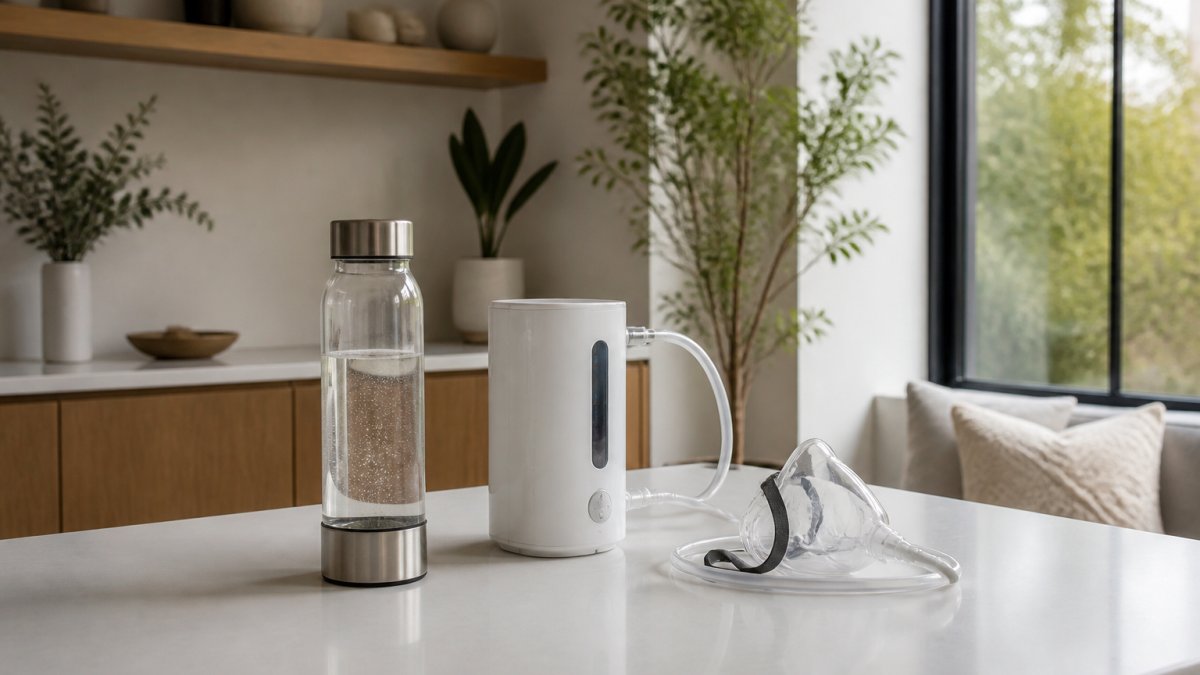
Choose a location in your home that stays cool and dry. A bathroom counter, kitchen island, or bedroom nightstand works well. Avoid direct sunlight on your device.
Gather these items before you begin:
- Your hydrogen device (water bottle or inhalation machine)
- Filtered or distilled water (for water-based systems)
- Clean cloth or soft brush for maintenance
- Power outlet with surge protection
- Optional: pH testing strips if your device produces alkaline water
Check your device's manual for specific power requirements. Most hydrogen water machines need a standard 110V outlet. Inhalation machines like the ECHO Refresh require reliable power.

Ensure adequate ventilation in your space. Hydrogen gas is highly flammable. If you're using an inhalation device, open a window or run a fan during use. This dilutes any hydrogen that escapes and reduces fire risk significantly.
Step 2: Setting Up Your Hydrogen Water System
Most hydrogen water systems work through electrolysis. Electricity splits water molecules into hydrogen and oxygen. The hydrogen dissolves into your water. Oxygen escapes as a gas.
Setup takes minutes. Fill your device with appropriate water. Press the power button. Wait for the cycle to complete, usually 5-10 minutes depending on your device.
The ECHO Flask Hydrogen Water Bottle connects to a power base. Fill it with water, place it on the base, and activate the generation cycle.
For countertop or under-sink machines like the ECHO H2 Hydrogen Water Machine, installation requires a separate faucet.

After setup, run your first cycle with distilled water to test the system. Check for leaks. Listen for unusual sounds.
Water Quality and Suitable Water Types
Your water source matters. Tap water works, but it contains minerals and chlorine that reduce hydrogen generation efficiency and can damage electrodes over time.
Filtered water is better. Distilled water is best. Reverse osmosis water also works well.
Never use carbonated water. The gas bubbles interfere with electrolysis and can damage your device. Avoid mineral-heavy spring water if possible, though it's acceptable in a pinch.
Test your water if you're unsure about quality. Many hardware stores sell inexpensive water testing kits. You want low total dissolved solids (TDS).
Store your water in glass or food-grade plastic containers. Keep it at room temperature or slightly cool. Hydrogen-rich water stays stable for several hours.
Step 3: How to Tell if a Hydrogen Water Bottle Is Working
Your device should show clear signs of operation. The ECHO Flask displays a progress indicator. You'll see lights or hear a gentle hum. Some machines produce visible bubbles inside the chamber.
After the cycle completes, the water should taste slightly different. Many people describe it as smoother or fresher than regular water. This is subjective, but it's a sign the device is functioning.
Test hydrogen concentration with a hydrogen meter if you want objective confirmation. These meters cost $50-$150 and measure dissolved hydrogen in parts per million (ppm).
If your device produces no visible signs of operation, check these items first:
- Is the power outlet working? Plug in a lamp to verify.
- Is the device switched on? Check the power button.
- Is the water chamber filled to the correct level? Most devices need water at a specific line.
- Is the device clean? Mineral buildup can prevent operation.
If problems persist, consult your device manual or contact customer support. Most issues resolve with simple troubleshooting.
Hydrogen Inhalation Safety Precautions
Hydrogen inhalation requires more caution than hydrogen-rich water. You're working with a flammable gas. Proper technique and environment control prevent accidents.
Never inhale hydrogen in an enclosed space without ventilation. Always use your device in a room with open windows or active air circulation. This is non-negotiable.
Fire Risk and Ventilation Requirements
Hydrogen is highly flammable. At concentrations between 4% and 75% in air, it burns if exposed to an ignition source like a spark, flame, or hot surface.
Your inhalation device produces hydrogen at concentrations well above this range. However, when hydrogen mixes with room air, it dilutes rapidly. Proper ventilation ensures this dilution happens fast.
Open at least one window in your room before using an inhalation device. Run a ceiling fan or portable fan during use. This creates air movement that disperses hydrogen safely.
ECHO Refresh Hydrogen Inhalation Machine →
Keep your inhalation device away from:
- Open flames or candles
- Cooking appliances or stoves
- Cigarettes or vaping devices
- Hot surfaces like radiators
- Electrical equipment that sparks
The ECHO Refresh Hydrogen Inhalation Machine includes built-in safety features. It has automatic shut-off if it detects malfunction. Never disable or bypass these safety mechanisms.
Proper Inhalation Technique and Duration
Start with short sessions. Five minutes is a good beginning. Breathe normally through the nasal cannula or mask. Don't force deep breaths. Gentle, steady breathing is more effective than aggressive inhalation.
Most users tolerate 10-15 minute sessions comfortably.
Breathe through your nose when possible. Nasal passages filter particles and warm the gas slightly. This is gentler on your respiratory system.
If you feel lightheaded, dizzy, or uncomfortable, stop immediately. Remove the device and breathe fresh air. These sensations are rare but possible. They usually pass within seconds.
Use your inhalation device 2-4 times per week as a starting point. You can increase frequency gradually if you tolerate it well.
Hydrogen Therapy Device Maintenance and Storage
Regular maintenance keeps your device safe and effective. Neglected devices accumulate mineral deposits, lose efficiency, and can malfunction.
Cleaning Your Equipment
Clean your hydrogen water bottle weekly. Empty any remaining water. Rinse the chamber with distilled water. Use a soft brush to gently scrub the interior if visible deposits appear.
For stubborn mineral buildup, soak the chamber in a vinegar solution. Mix equal parts white vinegar and distilled water. Let it sit for 30 minutes.
Never use abrasive scrubbers or harsh chemicals. These damage the electrodes and seals.
For inhalation devices, clean the nasal cannula or mask after each use. Rinse with warm water and mild soap. Air dry completely before the next use.
Check the air filter on your inhalation device monthly. Some models have replaceable filters. Replace them according to the manufacturer's schedule, typically every 3-6 months.
Safe Storage and Handling
Store your hydrogen device in a cool, dry location. Room temperature is ideal. Avoid basements or areas prone to moisture. Humidity damages electrical components.
Never store your device in direct sunlight. UV light degrades plastic and rubber components. A cabinet, drawer, or shaded shelf works well.
Keep your device on a flat, stable surface. Uneven placement can stress internal components and create leaks.
If you're storing your device for an extended period (more than a month), empty the water chamber completely. Run a cleaning cycle with distilled water before storage.
Store inhalation devices upright. Laying them on their side can damage tubing and valves. Keep the power cord loosely coiled to prevent kinks.
Understanding Hydrogen Water Side Effects and When to Stop
Hydrogen therapy is generally well-tolerated. Side effects are uncommon. However, some people experience mild reactions, especially when starting.
Common observations include temporary digestive changes, mild headaches, or fatigue during the first few days.
Stop using your device and consult a healthcare provider if you experience persistent headaches or dizziness, breathing difficulties or chest discomfort, allergic reactions like rash or swelling, severe digestive upset, or any symptom that concerns you.
Certain groups should seek medical guidance before starting hydrogen therapy.
Hydrogen therapy is not a replacement for medical treatment.
Establishing Your Daily Hydrogen Therapy Routine
Consistency matters more than intensity. A modest routine you maintain beats an aggressive approach you abandon.
Start with one hydrogen-rich water bottle daily. Drink it in the morning or after exercise.
If you're using an inhalation device, begin with two 10-minute sessions per week. Space them at least 2-3 days apart.
Track your routine for two weeks. Note how you feel, energy levels, sleep quality, and any changes you observe.
After two weeks, you can adjust frequency based on your observations.
The best routine is one you'll actually follow.
Keep your device clean and maintained as part of your routine. Spend five minutes weekly on maintenance.
Starting hydrogen therapy at home requires proper setup, consistent maintenance, and realistic expectations. Whether you choose the portable ECHO Flask for daily hydration or invest in a stationary ECHO H2 Hydrogen Water Machine, following these safety guidelines and maintenance steps ensures you get the most from your hydrogen therapy practice.
Frequently Asked Questions
How do I know if my hydrogen water bottle is actually producing hydrogen?
Most quality hydrogen water bottles display a light indicator or digital readout showing hydrogen concentration in parts per million (ppm). The ECHO Flask Hydrogen Water Bottle can generate up to 8 ppm of dissolved hydrogen. You can verify output by checking the device's display after activation, timing the generation cycle (typically 3-5 minutes), and feeling slight carbonation or effervescence in the water. If the device produces no visible indicators or the water tastes identical to regular water after multiple uses, consult the manufacturer's troubleshooting guide or contact support.
What safety precautions should I take when using a hydrogen inhalation device?
Ensure adequate ventilation in the room where you use the device, as hydrogen gas is highly flammable. Keep the inhalation machine away from open flames, heat sources, and electrical hazards. Use only the manufacturer-approved nasal cannula or mask. Limit inhalation sessions to the duration specified in the device manual. Never use the device while smoking or near combustible materials. If you experience dizziness, chest discomfort, or unusual symptoms, stop immediately and consult a healthcare provider. Store the device on a stable, flat surface away from moisture.
How often should I use hydrogen therapy at home?
Start with 3-5 sessions per week to assess how your body responds. For hydrogen-rich water, begin with one bottle per day, then adjust based on your response. For inhalation therapy, follow the manufacturer's recommended frequency. Consistency matters more than frequency. Listen to your body and reduce use if you experience any unusual symptoms.
What should I do if I experience side effects from hydrogen therapy?
Mild temporary effects like fatigue, mild headache, or digestive changes can occur. Reduce the frequency or duration of use and increase water intake. If symptoms persist, discontinue use and consult a healthcare provider. Stop immediately if you experience chest pain, severe dizziness, shortness of breath, or allergic reactions. Do not resume use without professional guidance. Remember that hydrogen therapy is not a medical treatment.



Leave a comment
This site is protected by hCaptcha and the hCaptcha Privacy Policy and Terms of Service apply.