

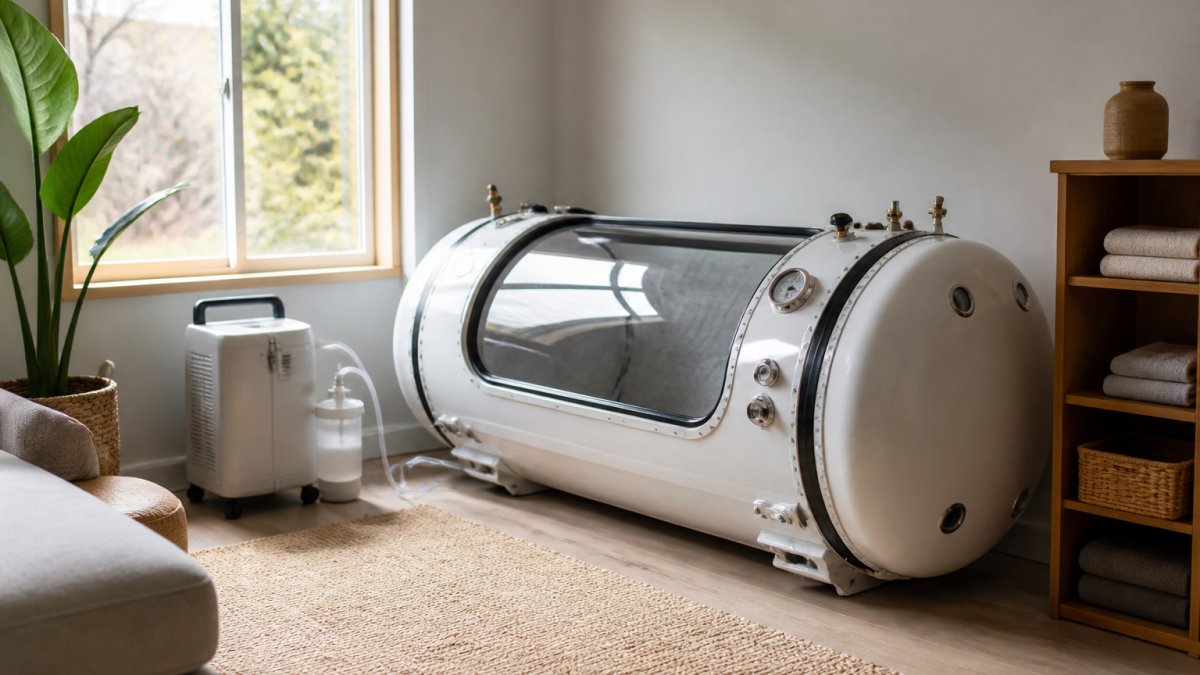
Hyperbaric Oxygen Therapy Downsides: What You Need to Know
Table of Contents
- Understanding Hyperbaric Oxygen Therapy and Its Risks
- Common Hyperbaric Oxygen Therapy Side Effects
- Serious Complications: Oxygen Toxicity and Pulmonary Barotrauma
- Hyperbaric Oxygen Therapy Contraindications: Who Should Avoid HBOT
- How Session Length Affects Risk in Hyperbaric Oxygen Therapy
- What to Expect After Hyperbaric Oxygen Therapy and Recovery
- Fire Safety and Oxygen Use
- Minimizing Risk: Screening, Monitoring, and Best Practices
- Weighing Benefits Against Downsides for Your Wellness Goals
- Frequently Asked Questions
Last Updated: October 5, 2026
Understanding Hyperbaric Oxygen Therapy and Its Risks
Hyperbaric oxygen therapy, or HBOT, delivers 100% oxygen at pressures greater than sea level in a sealed chamber. While the treatment has legitimate medical applications, understanding hyperbaric oxygen therapy downsides deserves serious consideration before committing to a course of sessions.
The appeal is straightforward: increased oxygen exposure can theoretically accelerate healing and improve certain conditions. But pressure changes, prolonged oxygen exposure, and the physical environment of a pressurized chamber create a range of potential complications. Some are mild and temporary.
Understanding these downsides isn't meant to discourage you, it's meant to ensure you're making an educated choice. The downsides of hyperbaric oxygen therapy vary in frequency and severity depending on your health status, the chamber type you use, and how long each session lasts.
Common Hyperbaric Oxygen Therapy Side Effects
Most people who use HBOT experience at least one minor side effect during or shortly after treatment. These effects are usually temporary and resolve without intervention, but they're worth expecting.
Ear Pressure and Middle-Ear Barotrauma
The most common complication from hyperbaric oxygen therapy sessions is middle-ear barotrauma, pressure-related injury to the middle ear. As the chamber pressurizes, air pressure increases around you. Your middle ear must equalize that pressure by allowing air through the Eustachian tube. If equalization doesn't happen smoothly, you feel pressure buildup, ear pain, or both.
Symptoms range from mild discomfort to sharp pain. In some cases, fluid or blood can collect in the middle ear, or the eardrum can rupture. Eardrum rupture is rare but serious: it can cause temporary hearing loss and raises the risk of infection. Most cases of ear pressure resolve after sessions end, but some people experience lingering discomfort or temporary hearing changes.
Prevention involves learning proper equalization techniques before treatment starts. Many chambers include guidance, but not all users master the skill immediately.
Sinus Compression and Toothache
Sinus barotrauma follows the same mechanism as ear barotrauma, pressure imbalance between your sinuses and the chamber environment. As pressure increases, your sinuses feel compressed or congested. Some people report facial pain, sinus headache, or toothache, even though no dental problem exists.
The sensation usually fades once the chamber depressurizes. Chronic sinus issues or recent nasal surgery increase your risk. Decongestants taken before treatment can help, though you should discuss this with your treatment provider first.
Vision Changes and Temporary Myopia
Temporary myopia, nearsightedness, occurs in some HBOT users. The high-oxygen environment can cause changes in the lens of your eye, making distant objects appear blurry. This effect is usually temporary and reverses after treatment ends, often within weeks.
More rarely, users report hyperopia (farsightedness) or other refractive changes. These vision changes are generally reversible, but they're disorienting while they occur. If you rely on precise vision for work, discuss timing with your treatment provider, scheduling sessions when you don't need sharp distance vision helps minimize disruption.
Fatigue and Lightheadedness
After a hyperbaric oxygen therapy session, many users feel tired or lightheaded. Your body has been in a pressurized environment breathing elevated oxygen for an hour or more. The metabolic shift leaves some people fatigued for hours afterward. Lightheadedness or dizziness can occur during or immediately after depressurization.
Staying hydrated, eating a light meal before treatment, and avoiding strenuous activity immediately after sessions helps manage these effects. Most users adapt over multiple sessions as their bodies adjust to the treatment rhythm.
Serious Complications: Oxygen Toxicity and Pulmonary Barotrauma
Beyond common side effects, hyperbaric oxygen therapy carries risks of serious complications that occur less frequently but demand medical attention.
Oxygen Toxicity and Seizures
Breathing oxygen at high pressure for extended periods increases free radical production in your body (pubmed.ncbi.nlm.nih.gov). At high enough levels, this triggers oxygen toxicity, a condition where excess oxygen damages cells and tissues. The most dramatic manifestation is oxygen toxicity seizure, an unprovoked seizure that can occur during or shortly after a session.
Seizures from oxygen toxicity are rare but unpredictable. They can happen even in people with no seizure history. The seizure itself creates risk of injury inside the chamber. Treatment protocols limit session length and oxygen pressure partly to reduce toxicity risk, but the risk never reaches zero.
People with certain medications, blood sugar imbalances, or a history of seizures face elevated risk. Fever, fatigue, and dehydration also increase susceptibility.
Lung Damage and Respiratory Issues
Pulmonary barotrauma, lung injury from pressure changes, is uncommon but serious. If you hold your breath during depressurization, air trapped in your lungs expands as external pressure decreases. This can rupture lung tissue, causing a collapsed lung, air in the bloodstream (arterial gas embolism), or other respiratory emergencies.
Symptoms include chest pain, difficulty breathing, or sudden shortness of breath. These warrant immediate emergency care. Prevention is straightforward: breathe normally throughout depressurization and never hold your breath. Still, accidents happen, and some people panic during depressurization, increasing risk.
Claustrophobia and Anxiety
The pressurized chamber environment triggers anxiety or claustrophobia in some users. You're enclosed in a sealed space for 60-120 minutes, breathing from a mask or hood, with pressure building around you. For people with anxiety disorders or claustrophobic tendencies, this is genuinely distressing.
Some chambers include windows, entertainment systems, or communication devices to reduce psychological stress. Soft-shell chambers feel less confining than hard-shell models. But if you have significant anxiety about enclosed spaces, HBOT may not be tolerable regardless of the chamber type.
Hyperbaric Oxygen Therapy Contraindications: Who Should Avoid HBOT
Certain health conditions make HBOT unsafe or unsuitable. People with these conditions should avoid treatment or require specialized medical supervision.
Untreated fever increases oxygen toxicity risk significantly. Active chemotherapy, certain medications that increase oxidative stress, and uncontrolled diabetes all raise complication rates. A history of spontaneous pneumothorax (collapsed lung) means your lungs are at higher risk during pressure changes. Severe claustrophobia or uncontrolled anxiety makes the chamber experience unsafe.
Chronic obstructive pulmonary disease (COPD) requires careful evaluation, some COPD patients tolerate HBOT well, others don't. Congestive heart failure, uncontrolled seizure disorders, and certain eye conditions also warrant caution or exclusion.
The challenge is that many of these conditions aren't obvious without proper screening. A thorough medical evaluation before starting HBOT should assess your medication list, medical history, lung function, and psychological readiness.
OxyAir OLV-YZD01 2.0 ATA Single-Seat Hard-Shell Hyperbaric Chamber →
How Session Length Affects Risk in Hyperbaric Oxygen Therapy
Session duration directly influences both benefit and risk. Longer sessions deliver more oxygen but increase toxicity exposure and compound the effects of pressure changes on your ears, sinuses, and eyes.
Typical medical HBOT sessions last 90-120 minutes at 2.0-3.0 ATA pressure. Wellness-focused chambers often operate at lower pressures (1.3-2.0 ATA) with shorter sessions (45-60 minutes) to reduce risk while still delivering some therapeutic effect.

A single extended session creates more risk than multiple shorter sessions at the same total oxygen exposure. Your body's tolerance improves with repeated sessions, users often experience fewer side effects by session 10 than session 1. But cumulative exposure still matters.
If you're considering home HBOT with a chamber like the OxyAir OLV-YTD03 1.3-2.0 ATA Single-Person Hard-Shell Lying-Type Hyperbaric Chamber, session length is something you control.

What to Expect After Hyperbaric Oxygen Therapy and Recovery
The period immediately after a session matters as much as the session itself. Depressurization must happen slowly and deliberately. Rapid pressure decrease increases barotrauma risk and intensifies side effects like lightheadedness and vision changes.
Most chambers include a controlled depressurization phase lasting 5-15 minutes. During this time, pressure decreases gradually, allowing your body to adjust. Breathe normally and don't move suddenly. Some dizziness or disorientation is normal.
After you exit the chamber, knowing the hyperbaric oxygen therapy downsides means planning for 30-60 minutes of light activity only.
Fatigue often follows, many users rest for an hour or two after sessions. Drink water and eat a balanced meal.
Most side effects resolve within hours to days after treatment ends. Vision changes typically reverse within weeks. Eardrum rupture, if it occurs, usually heals within 2-6 weeks.
Fire Safety and Oxygen Use
Oxygen-enriched air makes materials ignite more easily and burn faster, so fire prevention is a core part of home HBOT safety. Never bring electronics, heaters, lighters, or flammable products such as oils, lotions or hair products into the chamber. Position your oxygen concentrator exactly as the manufacturer directs, keep the area well ventilated, and follow your chamber's safety instructions every session.
Minimizing Risk: Screening, Monitoring, and Best Practices
Proper screening before starting HBOT is your first line of defense. A comprehensive evaluation should include:

- Full medical history, including medications, surgeries, and chronic conditions
- Lung function testing (spirometry) if you have respiratory symptoms
- Hearing baseline if you'll be doing multiple sessions
- Assessment of claustrophobia or anxiety disorders
- Blood sugar and hydration status before each session
- Fever screening (postpone treatment if febrile)
If you're using a home chamber, you're responsible for self-screening and consulting your physician beforehand.
During treatment, communication with the operator matters. Many chambers include intercoms or signal systems. If you experience severe ear pain, chest discomfort, or anxiety, signal immediately.
Between sessions, monitor yourself. Note any persistent ear pain, hearing changes, vision problems, or respiratory symptoms. If these don't resolve within 24-48 hours, consult your physician.
For home use, the chamber you choose affects risk. Hard-shell chambers like the OxyAir OLV-YZD01 2.0 ATA Single-Seat Hard-Shell Hyperbaric Chamber include emergency protocols, pressure gauges, and communication systems.
Maintenance matters too. A malfunctioning chamber, one with slow depressurization, pressure leaks, or oxygen delivery problems, increases every risk. Regular inspection and servicing are non-negotiable for home equipment.
Weighing Benefits Against Downsides for Your Wellness Goals
The question isn't whether hyperbaric oxygen therapy has downsides, it does. The question is whether the downsides matter for your specific situation.
If you're using HBOT for a legitimate medical indication under physician supervision, the clinical benefit often outweighs the risks. The downsides are accepted as a necessary trade-off.
If you're using HBOT for general wellness, athletic recovery, or anti-aging, the calculus changes.
Start conservatively. Lower pressure, shorter sessions, and thorough screening reduce your risk profile. Build gradually. Your body adapts over sessions, and you'll learn your personal tolerance. Monitor honestly.
The downsides of hyperbaric oxygen therapy aren't hidden or rare. They're documented, predictable, and manageable with proper approach. The real risk comes from ignoring them or underestimating them.
Hyperbaric oxygen therapy offers real potential for recovery and wellness, but only when you understand and respect its limitations. Get started with Vital Fit Home and make an informed decision about whether home hyperbaric therapy is right for your wellness journey.
Frequently Asked Questions
What are the most common side effects of hyperbaric oxygen therapy?
The most frequently reported hyperbaric oxygen therapy side effects include middle-ear barotrauma (pressure-related ear pain), sinus compression, temporary vision changes, and fatigue. Ear-related complications occur because pressure inside the chamber increases faster than air can equalize in the middle ear. Most mild side effects resolve within hours after the session. More serious but less common complications include oxygen toxicity (which can trigger seizures during prolonged exposure) and pulmonary barotrauma (lung injury from pressure changes).
Who should not do hyperbaric oxygen therapy due to contraindications?
Hyperbaric oxygen therapy contraindications include uncontrolled fever, upper respiratory infections, and a history of collapsed lung (pneumothorax). Patients with uncontrolled diabetes, claustrophobia, or severe anxiety may also be at higher risk for complications. Anyone with recent chemotherapy or untreated seizure disorders should receive medical clearance first. Always disclose your full medical history and current medications to your healthcare provider before starting treatment.
How long is a typical hyperbaric oxygen therapy session, and does longer exposure increase risk?
Medical HBOT sessions typically last 90 to 120 minutes at 2.0 to 3.0 ATA, while wellness sessions are usually shorter and at lower pressure, often 1.3 to 2.0 ATA. Higher pressures and longer sessions increase the risk of oxygen toxicity and barotrauma, which is why treatment protocols limit both. Treatment protocols are carefully designed to balance therapeutic benefit against cumulative exposure risk.
What should you avoid after hyperbaric oxygen therapy to prevent complications?
After hyperbaric oxygen therapy, ask your doctor before flying or diving soon after a session, especially if you had ear or sinus discomfort. Take it easy for a while afterward, since fatigue and lightheadedness are common. Avoid alcohol and heavy meals for several hours. If you experience chest pain, difficulty breathing, persistent ear pain, or vision changes after a session, seek medical attention immediately.



Leave a comment
This site is protected by hCaptcha and the hCaptcha Privacy Policy and Terms of Service apply.