

Is a Dedicated Home Wellness Room Worth It?
Table of Contents
- What a Home Wellness Room Actually Is
- The Real Benefits of a Dedicated Wellness Space
- Home Wellness Room Cost: Breaking Down the Investment
- Home Wellness Room Ideas for Different Spaces
- Creating a Small Home Wellness Space
- Essential Wellness Room Equipment and Setup
- Will Your Wellness Room Add Value to Your Home?
- Alternatives to a Dedicated Wellness Room
- Frequently Asked Questions
Last Updated: October 13, 2026
What a Home Wellness Room Actually Is
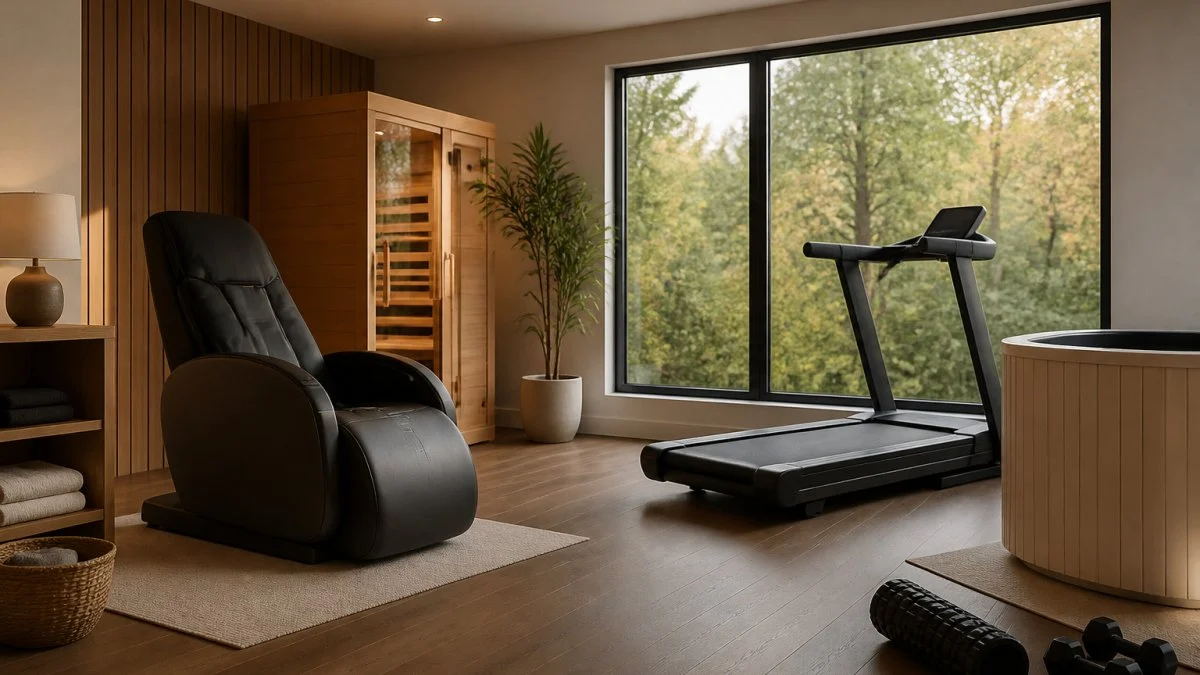
A home wellness room is a dedicated space for relaxation, recovery, and self-care.
The core difference is purpose: a gym builds strength, a wellness room rebuilds you, a place to reset between high-stress workdays, recover from activity, or practice mindfulness.
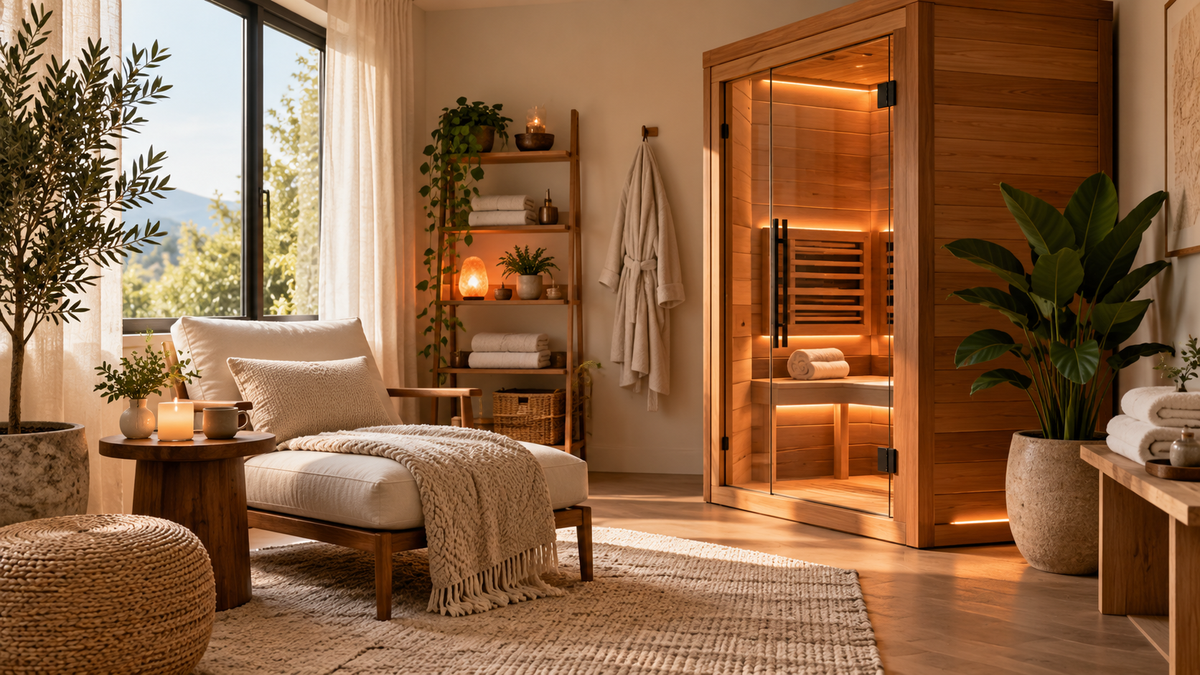
Most share common elements: soft lighting, minimal clutter, natural materials, comfortable seating, and at least one recovery tool. Some are as simple as a corner with yoga mats and plants; others feature infrared saunas, red light therapy panels, and premium sound systems.
At Vital Fit Home, we help people understand what belongs in a wellness room based on their goals, space, and lifestyle, matching your needs, not a Pinterest board.
The Real Benefits of a Dedicated Wellness Space
A dedicated wellness room changes how often you use recovery tools. When a sauna sits in your basement, you skip it. When it's a room you pass daily, you use it.
The mental shift is real: your brain recognizes this space as "for me." You're more likely to spend 20 minutes stretching or breathing when the environment supports calm, while a cluttered spare room sends a different signal.
Physical benefits include:
- Consistent recovery routines, easier to stick with daily stretching, sauna sessions, or meditation when the space invites you in
- Reduced stress and anxiety, dedicated relaxation spaces lower cortisol levels and create a mental reset button at home
- Better sleep quality, regular use of saunas or cool-down spaces supports healthy sleep cycles
The biggest benefit? Consistency. Most people own recovery equipment they rarely use; a wellness room changes that.
Home Wellness Room Cost: Breaking Down the Investment
Building a dedicated wellness room requires real money, but the number that matters most isn't the sticker price, it's the total cost of owning and running the room.
The realistic picture has three layers: what you buy, what it costs to install, and what it costs to operate monthly.
Layer 1: Equipment and Build-Out
Budget-friendly wellness room ($2,000-$5,000):
- Basic infrared sauna or yoga mat setup
- LED lighting and paint refresh
- Storage solutions and mirrors
Mid-range wellness room ($5,000-$15,000):

- Quality infrared sauna like the Thermora Pandora 2-Person Full-Spectrum Infrared Sauna at $3,899.97
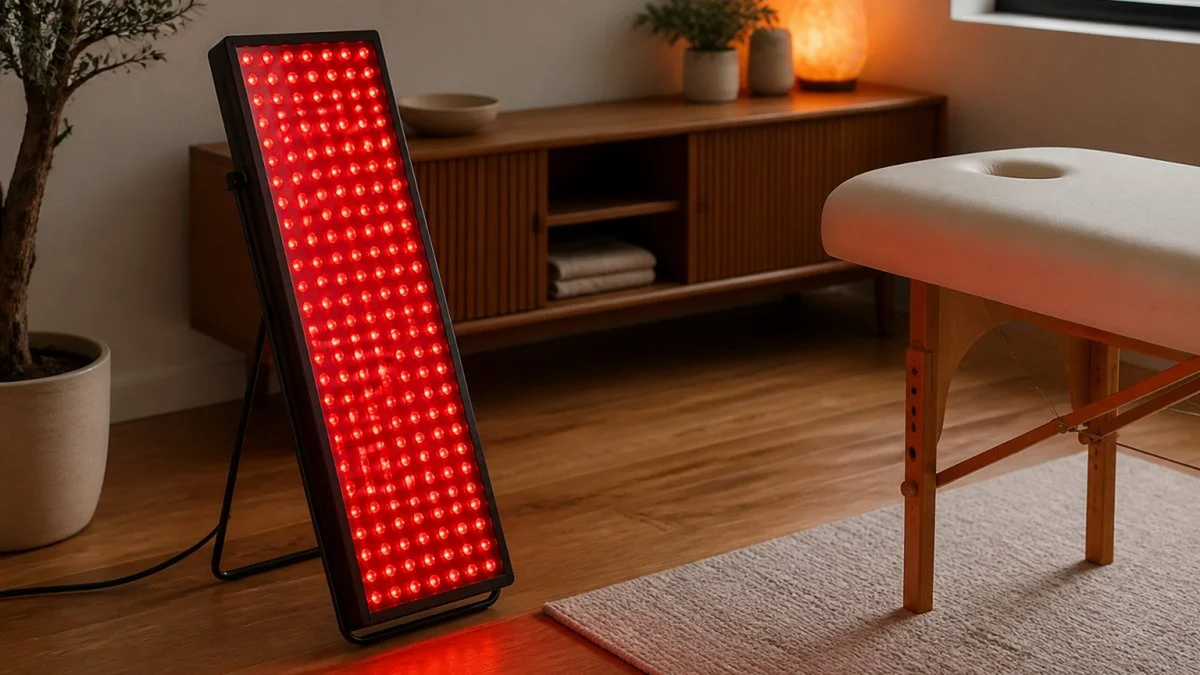
- Red light therapy panels
- Professional lighting design and installation
Premium wellness room ($15,000-$50,000+):
- Multiple recovery tools (sauna, cold plunge, light therapy, oxygen systems)
- Custom design and professional installation
- Advanced HVAC and electrical upgrades
Layer 2: Installation and Infrastructure
This is the line item most buyers forget. A sauna or cold plunge isn't plug-and-play in every home.
- Dedicated electrical circuit: Infrared saunas typically draw 15-20 amps and often need a dedicated 120V or 240V circuit. An electrician running a new circuit commonly charges a few hundred to over a thousand dollars depending on panel capacity and run distance.
- Panel upgrades: Older homes with 100-amp service may need a service upgrade before adding a sauna plus a cold plunge. That's a major-ticket item, not a weekend project.
- Ventilation: Heat and moisture features need exhaust. A properly sized bath fan or HRV can run from a few hundred dollars installed to several thousand for a full ducted solution.
Layer 3: Operating and Maintenance Costs
This ongoing number determines whether the room is genuinely worth it.
- Electricity: A sauna used 3-4 times weekly commonly adds roughly $30-$60 per month, depending on wattage, session length, and local rates. A cold plunge chiller runs continuously and adds its own draw, often $15-$40 monthly.
- Water and treatment: Cold plunges need periodic water changes, filtration, and sanitizing chemicals. Budget for consumables and replacement filters.
- Maintenance and service: Sauna heaters, control panels, and chiller compressors eventually need repair or replacement. A small annual reserve avoids surprise costs.
A Realistic Comparison: Low-Cost vs. High-Cost Setups
| Setup | Upfront | Typical Monthly Operating |
|---|---|---|
| Multipurpose corner (mat, cushion, lighting, speaker) | $500-$1,500 | Under $10 |
| Single infrared sauna in a spare room | $3,000-$6,000 + install | $30-$60 |
| Sauna + cold plunge | $8,000-$20,000 + install | $50-$100+ |
| Full premium room (sauna, plunge, light therapy, HVAC) | $25,000-$50,000+ | $100-$200+ |
Home Wellness Room Ideas for Different Spaces
Your space determines what's realistic. A small apartment needs different solutions than a finished basement.
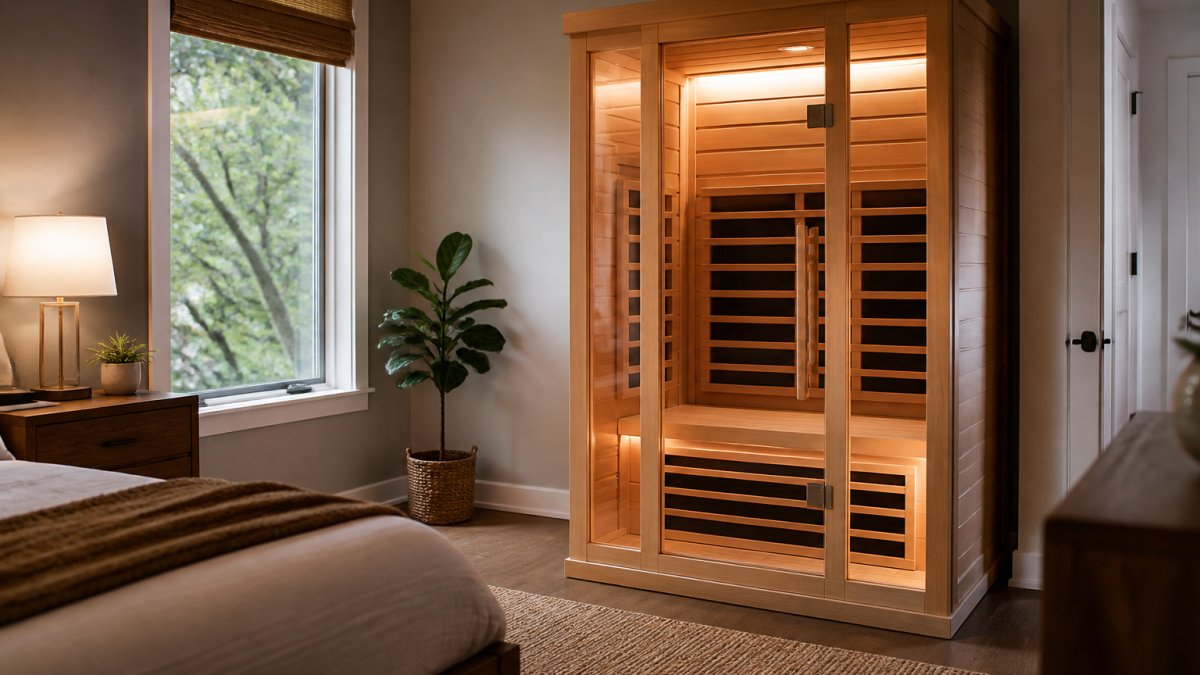
Master bedroom conversion: A 2-person sauna fits well in a 10x12 bedroom corner. The Durasage 2-Person Carbon Infrared Sauna at $3,295.00 occupies roughly 48" x 42" of floor space, manageable even in tight bedrooms.
Basement wellness zone: Larger basements allow more ambitious setups, sauna, cold plunge, yoga area, and meditation corner, and handle moisture and ventilation better than upper floors.
Bathroom expansion: A master bathroom with space can accommodate a compact sauna or steam shower if you're already renovating.
Garage conversion: Finished garage space offers flexibility for multiple tools, storage, and movement. Ensure proper electrical circuits and climate control before installing expensive equipment.
Shared living space: If you lack a dedicated room, a high-quality sauna in a living area can work. The Rövia Ember 4-Person Full Spectrum Infrared Sauna at $4,699.97 features Canadian hemlock wood and a modern design that looks intentional in shared spaces.

Creating a Small Home Wellness Space
You don't need 500 square feet. A 10x10 corner works if you're intentional about layout.
Start with one anchor tool. Choose either a sauna, meditation space, or yoga area.
Vertical storage solves clutter. Wall-mounted shelves, hooks, and cabinets keep yoga mats, blankets, and props organized.
Lighting matters more in small rooms. Soft, dimmable LED lighting makes a cramped space feel peaceful.
Thermora Pandora 2-Person Full-Spectrum Infrared Sauna – Indoor Hemlock Wood →
The mistake most people make is cramming everything into small spaces.
Essential Wellness Room Equipment and Setup
You need less than you think. Focus on tools that match your actual use patterns.
Core equipment tiers:
Tier 1, Essentials (you'll actually use):
- Comfortable yoga mat or meditation cushion
- Quality sound system for music or guided sessions
- Soft, adjustable lighting
Tier 2, Recovery tools (high impact):
- Infrared sauna for muscle recovery and relaxation
- Red light therapy for skin and recovery
- Quality speakers for meditation apps or music
Tier 3, Advanced (if budget allows):
- Cold plunge for circulation and recovery
- Oxygen therapy or hydrogen inhalation systems
- Advanced light therapy panels
Design fundamentals:
- Paint walls in calming colors: soft greens, blues, or warm neutrals
- Install dimmer switches on all lighting
- Use natural materials: wood, stone, cork, wool
The Thermora Pandora sauna we mentioned earlier includes built-in red light therapy and Himalayan salt panels, combining three wellness benefits in one unit. That's smart equipment selection for small spaces.
Will Your Wellness Room Add Value to Your Home?
This is the question that matters when you're spending serious money, whether a home wellness room worth it, and most articles dodge it with "it depends." Here's the honest version.
The Short Answer
A dedicated wellness room rarely returns its full cost at resale, and it can narrow your buyer pool if built as a single-purpose, highly personalized space. The value case rests on three things: how the room is designed, who your likely buyer is, and whether it can be reverted or repurposed.
Why Appraisals Usually Don't Reward It
Appraisers value square footage, bedroom and bathroom count, condition, and location. A sauna or meditation room doesn't map cleanly to any of those, so it shows up as a nice-to-have rather than a line item. A $20,000 build-out does not usually translate into $20,000 of appraised value.
Where It Helps
- Luxury and premium homes where wellness amenities are an expected differentiator rather than a novelty
- Health-conscious buyer pools in markets where saunas and cold plunges are already common
- Homes marketed to executives and high-stress professionals who see daily recovery as a lifestyle feature
Where It Hurts
- Mid-range homes where buyers prioritize kitchens, baths, and storage over recovery amenities
- Highly personalized builds, a custom-tiled steam room or built-in plunge that can't be removed without demolition can read as a liability to a buyer who wants a home office or playroom
- Rooms that sacrifice a bedroom or functional space to become single-purpose
The Design Move That Protects Resale
Design the room so it can flex. The wellness features that hold value best are the ones a future buyer can use as-is or convert without a major renovation.
- Keep the shell generic. Neutral finishes, standard dimensions, and a normal door mean the room can become an office, guest room, or den later.
- Choose freestanding over built-in where possible. A freestanding infrared sauna can be sold, moved, or removed. A built-in steam room cannot.
- Don't eliminate a bedroom or bathroom. Converting a third bedroom into a wellness room can cost you more at resale than the room adds.
The Value That Doesn't Show Up in an Appraisal
A wellness room you use several times a week for years delivers value in reduced stress, better recovery, and a routine you actually keep, real even when it never appears on a closing statement. The mistake is justifying the spend purely on resale: if the numbers only work because you assume a future buyer will pay for it, the room probably isn't worth it for you.
Alternatives to a Dedicated Wellness Room
Not everyone needs a full wellness room.
Shared-use approach: Convert your master bedroom into a wellness-focused bedroom.
Multipurpose space: A finished basement or bonus room serves double duty.
Minimal equipment strategy: Skip expensive saunas and cold plunges.
Gym with wellness features: Many premium gyms now include saunas, cold plunges, and meditation spaces.
One tool approach: Buy one high-quality piece, like the Blisspod Milano Full Spectrum Infrared Sauna at $4,299.00, and build your wellness practice around it.

The best alternative is honest self-assessment. Will you actually use a dedicated room?
At Vital Fit Home, we help you determine what actually belongs in your wellness space based on your goals and lifestyle. Our wellness design services connect you with curated premium equipment and expert guidance to create a space that actually gets used.
Frequently Asked Questions
What activities should I plan for in a home wellness room?
A well-designed wellness room typically supports yoga, stretching, meditation, breathwork, and relaxation. Many owners also incorporate sauna or cold plunge sessions for recovery. The best approach is to identify which activities match your lifestyle and goals, whether that's stress relief, physical recovery, fitness support, or general mindfulness, and design around those primary uses. A room that aligns with your actual habits will see consistent use.
How much does it cost to build a home wellness room?
Costs vary significantly based on your choices. A basic wellness space with yoga mats, mirrors, and calming design runs $2,000-$5,000. Adding a 2-person infrared sauna like the Thermora Pandora ($3,899.97) brings your total to $6,000-$8,000. Larger setups with multiple recovery technologies, saunas, cold plunges, lighting systems, and professional installation, can reach $15,000-$30,000 or more. Budget for electrical upgrades, ventilation, flooring, and professional installation if needed.
Can a wellness room increase my home's resale value?
A well-executed wellness room can appeal to affluent buyers seeking luxury amenities and health-focused living, potentially adding modest resale value. However, returns vary by market and buyer preferences. High-end saunas and recovery equipment may not recoup their full cost. The best strategy is to treat it as a personal investment for your own use and wellbeing rather than counting on significant resale appreciation. If you move, some portable equipment can follow you to your next home.
Do I need a contractor to install wellness equipment?
Most premium wellness equipment requires professional electrical installation, especially items drawing significant power like infrared saunas or hyperbaric chambers. Ventilation, moisture management, and flooring prep also benefit from expert guidance. Vital Fit Home provides installation guidance and support to help you navigate these requirements. Working with a qualified electrician and contractor ensures safety, proper ventilation, and compliance with local building codes.

Leave a comment
This site is protected by hCaptcha and the hCaptcha Privacy Policy and Terms of Service apply.